By WoodPelletCN · · Purchasing contact: Jasmine Li
What changed in Europe’s winter outlook?
On 3 November 2026, the IEA reported that Europe was entering the heating season with its lowest natural gas storage levels in more than a decade. It warned that tight market conditions could persist into 2027. This is a supply-risk outlook, not a prediction that every buyer will face a shortage or the same price increase.
The European Commission’s 8 October assessment provides important context: the EU gas system has the flexibility to meet winter demand, supported by greater supply diversification, LNG import capacity and reduced demand. A cold spell or supply interruption remains relevant to procurement planning. Both original reports are linked below.
What does this mean for an industrial heat buyer?
Review your own contract before reacting to market headlines. A fixed-price agreement, a variable tariff and a contract about to renew create different exposures. Record the price basis, renewal date, available capacity and the useful heat your process needs. Wholesale gas headlines are not a substitute for your delivered gas bill.
| Your situation | Useful next step |
|---|---|
| Already operating an approved biomass boiler | Compare available pellet offers against your required fuel specification and delivery schedule. |
| Operating only gas equipment | Ask the equipment team to assess conversion or a separate biomass system before evaluating a fuel purchase. |
| Buying pellets for distribution | Check appliance requirements, pack format, storage and replenishment timing. |
Where wood pellets may help—and where they may not
An additional technically suitable fuel option may reduce reliance on a single procurement route. It does not remove logistics risk: pellets require handling, dry storage and confirmed delivery arrangements. A lower pellet fuel bill is possible only when the delivered useful-heat comparison supports it. Switching fuels does not automatically reduce the energy needed by your process.
Use the useful-heat cost comparison for fuels quoted per tonne. If your gas bill is per kWh or MWh, keep its calorific-value basis consistent with the efficiency figure; do not enter a gas tariff into a per-tonne field.
Build a winter purchasing brief
- Record your equipment model and approved fuel limits.
- Estimate demand from operating hours and measured heat use, including peaks.
- Confirm storage capacity and unloading constraints.
- Compare delivered quotations with matching scope and validity dates.
- Agree a feasible arrival window before committing stock or switching supply.
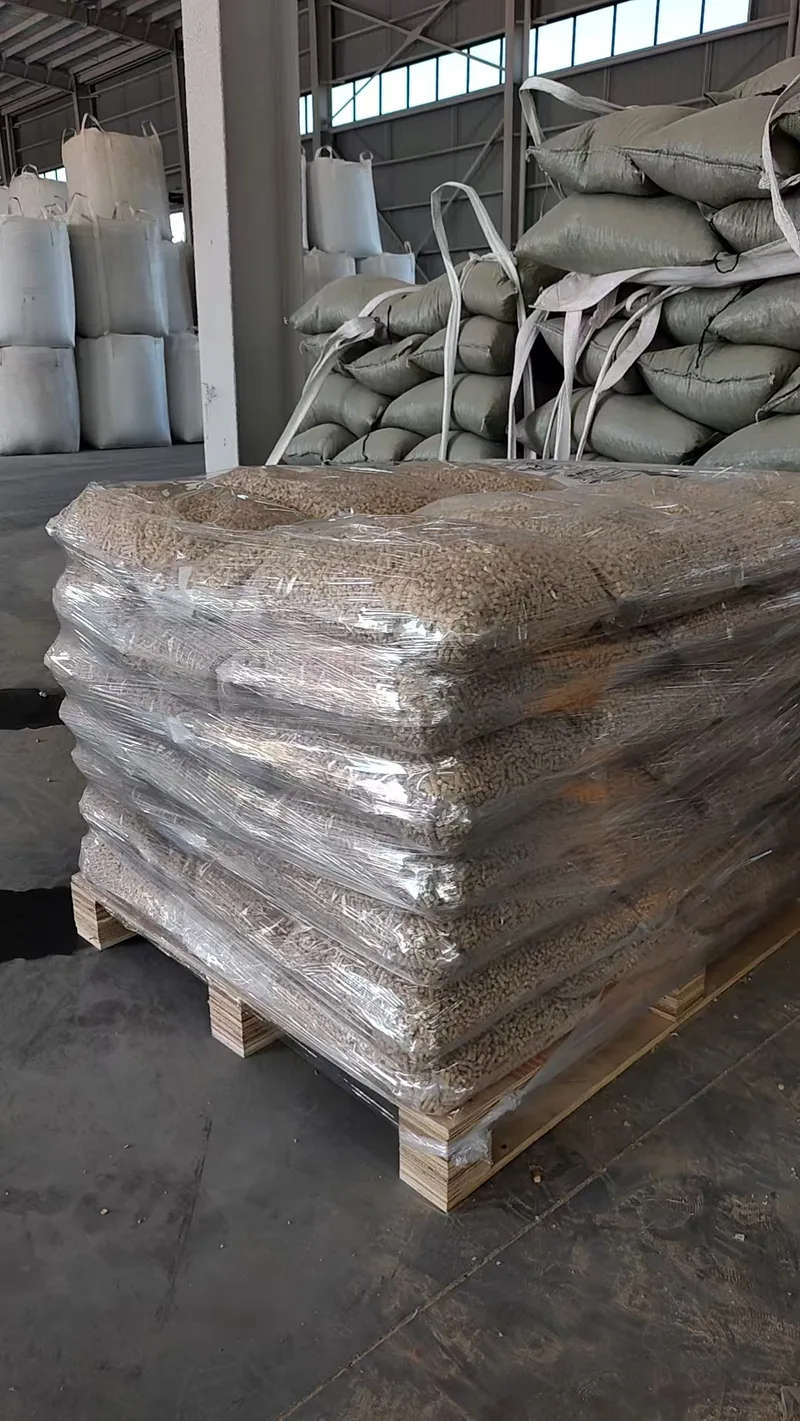
WoodPelletCN can discuss wood pellet supply requirements, export packing and a destination-specific quotation. Send your expected quantity, destination and equipment requirements to start a meaningful comparison. Availability, performance requirements and delivery timing need written confirmation.
Buyer questions
Can wood pellets solve Europe’s energy crisis?
They are one fuel option for suitable heat applications. They cannot replace all gas uses or remove Europe-wide supply risks. A site-level equipment and cost assessment comes first.
Will changing to pellets reduce my heating costs?
That depends on delivered prices, fuel energy content, efficiency and additional operating or investment costs. Compare a current quotation against your own contract; no savings percentage applies to every site.
Can I burn pellets in my existing gas boiler?
Do not assume so. Obtain an equipment-specific engineering assessment and check applicable operating requirements before planning a switch.
Sources and scope
Sources checked on 5 November 2026. This is WoodPelletCN purchasing commentary, not a quotation, equipment approval or guaranteed saving.