By WoodPelletCN · · Purchasing contact: Jasmine Li
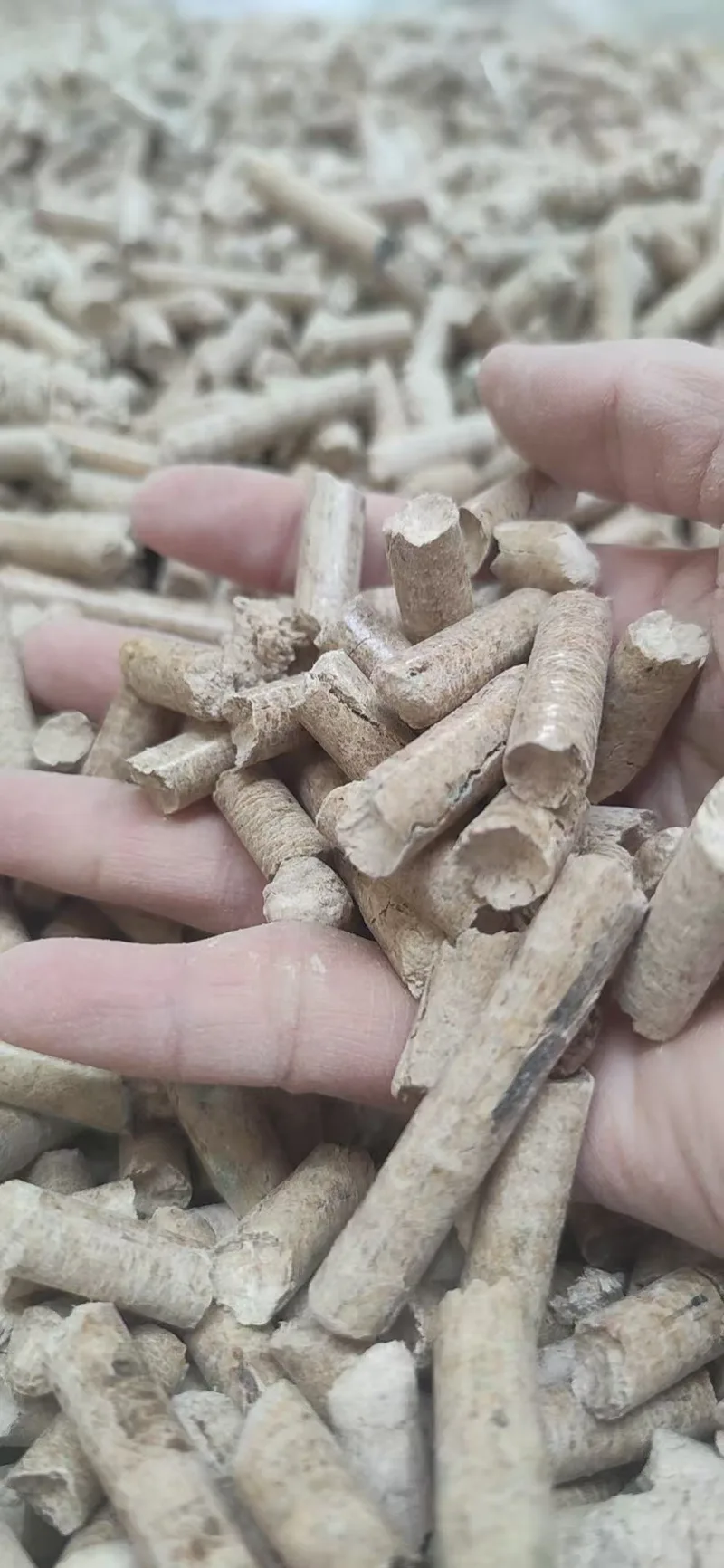
Our European gas storage and winter budget analysis explains why buyers are reviewing fuel exposure. This checklist takes the next step: deciding whether a site-specific assessment is worth pursuing. It is a purchasing worksheet, not an installation design.
1. Confirm the equipment route before buying fuel
Record the current boiler model, heat-transfer medium and required process conditions. Ask the manufacturer or a qualified system designer whether the proposal needs new equipment, a specifically approved conversion or a separate biomass system. Include fuel feeding, controls and exhaust arrangements in that assessment. A pellet supplier’s quotation cannot approve a gas boiler conversion.
Decision record: equipment route, responsible designer and written suitability assessment. If these remain unknown, keep the proposal at the feasibility stage.
2. Measure useful heat demand, not just the gas bill
Separate fuel purchased from useful heat delivered. Gather operating hours, seasonal demand, minimum load, peaks and required temperature or steam conditions. A yearly fuel total alone can hide long low-load periods. Forest Research identifies load patterns and system suitability as planning considerations; its guidance also discusses supplementary heating arrangements for seasonal demand.
Decision record: an agreed heat-demand profile and a plan for peaks, downtime and backup. Do not size a new system from a headline fuel saving.
3. Match the pellet specification to the equipment
Obtain the equipment’s permitted fuel specification, then compare it with identified test evidence. Keep net calorific value, moisture, ash, dimensions and fines requirements explicit. Reported values must use a consistent basis. The UK biomass operation guidance stresses matching fuel to equipment requirements and maintaining suitable storage.
Use our boiler fuel checklist and test-report worksheet. Decision record: required limits, sampling and acceptance terms—not a grade inferred from a photograph.
4. Check storage and delivery as part of the system
Map the route from delivery vehicle to storage and from storage to the boiler. Confirm unloading access, usable storage capacity and replenishment timing. Have the system designer assess safe storage and handling for the proposed installation, including moisture protection and relevant ventilation, dust and fire precautions. A spare room is not automatically a suitable pellet store.
Decision record: receiving layout and handling plan. Our packing guide helps define the shipment requirements; it does not replace storage-system design.
5. Verify local requirements before committing investment
Ask the responsible local authority and project adviser which requirements apply to the exact location, equipment size and fuel. Include air emissions, exhaust arrangements, planning and fire considerations in the enquiry. Do not treat guidance for one country as approval in another, or a fuel certificate as permission to operate a boiler.
Decision record: a project-specific approvals checklist with owners and outstanding items. This article does not determine the legal requirements for your installation.
6. Compare the complete annual operating cost
Use delivered prices and consistent energy units, then add labour, servicing, electricity, ash handling and any retained backup costs. Ask for a realistic efficiency range under the expected operating pattern. See our worked useful-heat cost example for the fuel calculation.
| Cost boundary | Information to collect |
|---|---|
| Gas baseline | Current contract, energy basis, useful heat output and continuing fixed charges. |
| Pellet fuel | Delivered €/tonne, as-received NCV and supported operating efficiency. |
| Additional operation | Service quotation, operator time, electricity, ash handling and storage costs. |
Gas quoted per MWh must not be entered into a per-tonne calculator field. For either fuel, match the calorific-value basis to the efficiency basis. Lower expenditure is not automatically lower energy consumption.
7. Test investment against net savings and uncertainty
Include equipment, installation, storage, engineering, commissioning and any necessary site works in the investment estimate. Use the operating-cost difference after additional expenses, not fuel savings alone.
Hypothetical example: €12,000 annual fuel savings minus €5,000 additional annual operating costs leaves €7,000. At €70,000 incremental investment, simple payback is 10 years, before financing, discounting or residual value. These are invented numbers, not market prices, WoodPelletCN specifications or a customer result. If net annual savings are zero or negative, this simple payback calculation offers no positive payback.
Repeat the assessment with alternative fuel prices and operating assumptions. Decision record: a base case, a less favourable case and the conditions under which the project should not proceed.
Prepare a fuel brief when the equipment route is clear
WoodPelletCN can discuss wood pellet purchasing requirements, packing and a destination-specific quotation. Send the equipment model or approved fuel requirements, destination, expected quantity and requested delivery period. Jasmine Li is the purchasing contact; equipment approval and project design remain with your qualified advisers.
Buyer questions
Can wood pellets be used in an existing natural gas boiler?
Do not assume they can. Obtain a manufacturer or qualified designer assessment of the equipment route, fuel handling, controls and exhaust system before purchasing conversion equipment or fuel.
How much can a business save by switching from gas to pellets?
There is no universal percentage. Calculate delivered useful-heat costs, additional operating expenses and investment using current quotations and site-specific assumptions.
Does a lower pellet price guarantee a short payback?
No. Fuel energy content, operating efficiency, equipment investment and additional costs may outweigh the fuel-price difference. Test less favourable assumptions as well as the base case.
What should I send WoodPelletCN for a relevant quote?
Send destination, expected quantity, required pellet specification, equipment details, packing preference and delivery period. Any proposed specification, supply and shipment terms need confirmation.
Sources and scope
Sources checked on 5 November 2026. This is WoodPelletCN purchasing commentary, not a quotation, equipment approval or guaranteed saving.